Skip to content
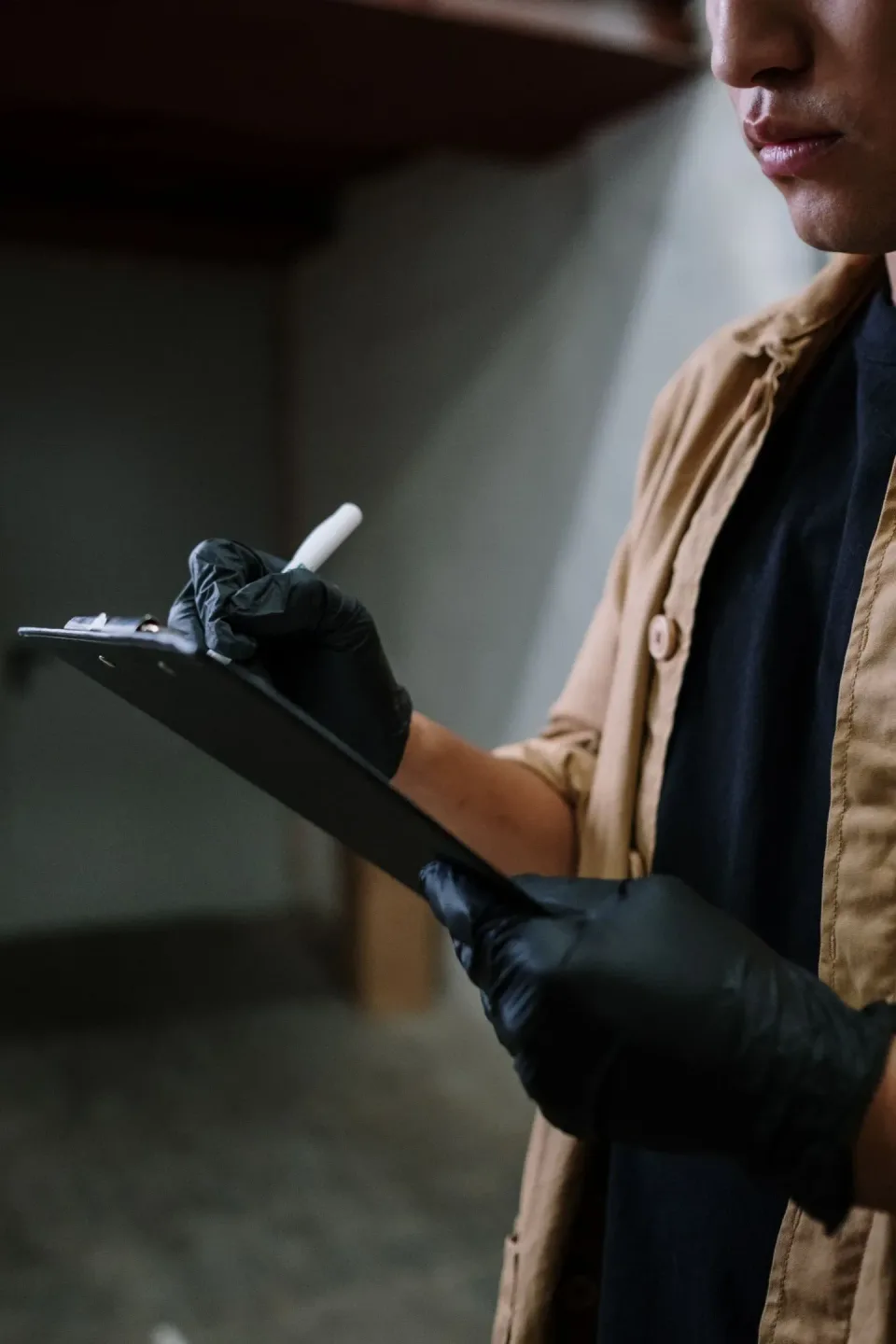
Clipboard — Pest Control

Pest Control · Dyer, IN

Pest Control in Dyer, IN: Pest Inspection, Ant Extermination and Bed Bug Treatment

Dyer sits in Lake County along the US 30 and Calumet Avenue corridor, a Chicago suburban community of brick ranch houses, newer subdivisions, and two-story homes with basement foundations and attached garages.

  • Serving since 2016
  • Indiana pesticide applicator certification
  • Licensed and insured pest control operator
  • National Pest Management Association member

Request a quote

Tell us what you need and we will call you back.

Request a quote

Four distinct seasons shift pest pressure here month by month ants trail through kitchens in spring, mosquitoes breed in humid summer air, and winter freezes push mice and rats toward warm garages and pantries. Tornado-season thunderstorms add another wrinkle: damaged siding and roof edges become entry points we check on nearly every storm-season inspection. Our team at Indiana Pest Pros has worked these streets for over a decade, from homes near Lake Central High School to properties backing up to Hoosier Prairie. We inspect first, identify the exact pest, and match treatment to the problem ant extermination, termite treatment, bed bug treatment, rodent control, and full pest inspection services across the 46311 ZIP code. Call (855) 681-0299 and we will schedule an inspection that fits your week, with clear findings and a plan before any treatment starts.

Who Handles Pest Problems in Dyer, IN?

Dyer’s weather keeps pest pressure moving all year. Winter freezes push mice and rats indoors, and freeze-thaw cycles widen foundation cracks and gaps in the brick ranch houses and basement foundations common around town a crack that was hairline in October can admit a mouse by January.

Lake Michigan moderates temperatures near the northwest Indiana shoreline, and northern Indiana takes heavier lake-effect snow, so rodent activity stays hidden longer under snow cover than most homeowners expect. Warm autumns can stretch mosquito and tick season well past the first frost.

We schedule around your commute many residents head toward Chicago daily and we explain every finding in plain terms. Expect a full inspection, a treatment matched to the pest, and follow-up communication from our team until the problem is closed.

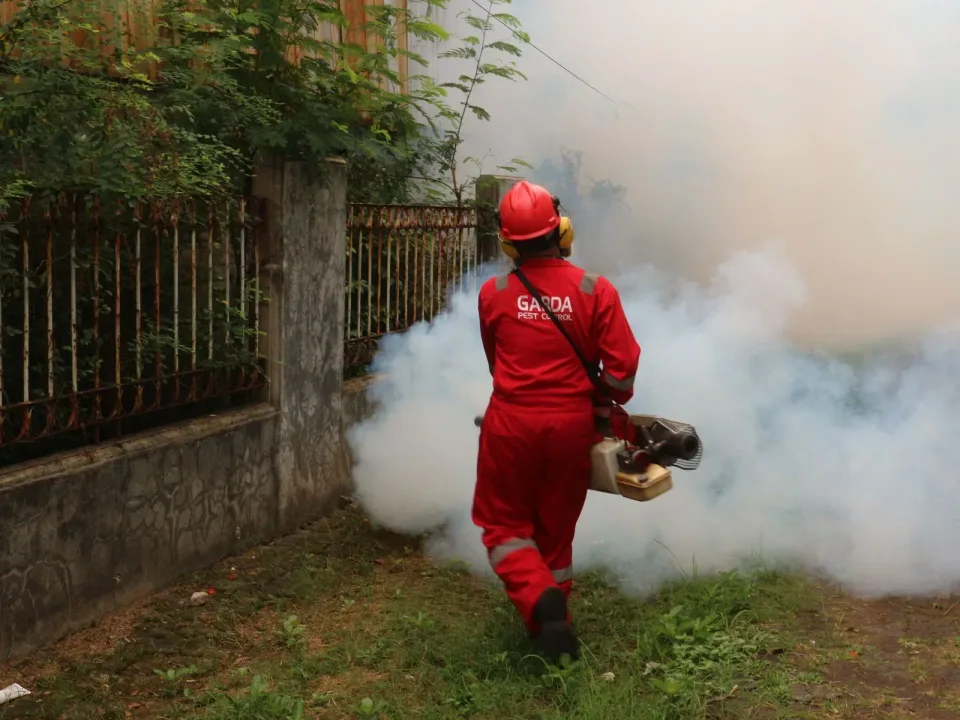
Pest Control Technician — Outdoor Service

How We Handle Common Pest Jobs in Dyer

Three call types dominate our Dyer schedule. First, spring and summer storms: severe thunderstorms damage siding and roof entry points, and spring storms drive rodents toward dry indoor shelter.

After a hail or wind event, we inspect rooflines, garage door seals, and attached garages the usual mouse highway into newer subdivisions. Second, humid summers encourage mosquito breeding and termite swarming, so we run mosquito treatments for yards and termite inspections when homeowners spot wings near window sills.

Third, variable rainfall affects standing water and mosquito habitats; a wet month means larvae develop fast in clogged gutters and low spots.

Here is how a typical visit runs:

We confirm the target pest and treatment area before selecting any product.

We inspect basements, crawlspaces, and rooflines for the moisture and entry conditions driving the problem.

We treat with the method the pest calls for perimeter treatment, bait stations, or crack-and-crevice application and schedule follow-up.

One self-check: walk your foundation after the next heavy rain and note any downspouts dumping water beside the wall. That is where we would start too. We cover all of Dyer, including the 46311 ZIP code, from homes near Dyer Community Park to properties along US 30.
Wet Basements and Humid Summers Shape Dyer Treatments

Heavy summer rain can flood basements and crawl spaces in Dyer, and that moisture is exactly what moisture-loving pests need. After a wet stretch, we get calls about millipedes, sowbugs, and springtails coming up along basement walls, plus cockroaches drawn to damp areas near kitchen drains. Hot weather accelerates insect development and colony growth, so an ant colony that was manageable in June can be a full invasion by August carpenter ant colonies often contain thousands of workers, and they do not shrink on their own.

Our crew treats the moisture connection, not just the insects. We carry a moisture meter on every basement job, because treating pests without addressing damp conditions means repeat visits. We also follow EPA pesticide labels to the letter they specify permitted use sites, and a basement or crawlspace treatment must be applied where the label allows it.

Homes near Hoosier Prairie Nature Preserve and the green space around Central Park sit closer to natural pest habitat, so we build exterior perimeter work into those plans. If your basement stays damp after storms, call us before the pests move in permanently.

How to Verify a Pest Applicator Is Legal in Dyer

The first step on any compliant job is confirming the target pest before selecting treatment applying the wrong product for an unidentified pest is both ineffective and a label violation.

Ask any company you consider two questions. You can verify applicator credentials through state licensing records rather than taking a business card at its word.

Skipping this diligence risks ineffective treatment, misapplied product, and no recourse if something goes wrong. We provide written findings and treatment details on every Dyer job so you know exactly what was applied, where, and why. Call (855) 681-0299 to schedule a compliant, documented inspection.

Why us

Why Dyer homeowners choose Indiana Pest Pros for Pest Control in Dyer, IN

Homeowners in Dyer call Indiana Pest Pros for pest control that starts with a real inspection and a plan matched to the pest.

Inspection before treatment

Every visit starts with a technician inspecting the affected areas, explaining what they find, and outlining the recommended treatment. You approve the plan before any work begins, so there are no surprises mid-job.

Built for Indiana homes

I started in pest control around South Bend, where older homes, basements, and changing seasons push ants, mice, and other pests indoors. That experience shapes how we inspect and treat Dyer properties.

Our process

Pest Control in Dyer, IN: how the job runs

Here is how a pest control job in Dyer, IN moves from your first call to a finished treatment.

01

Confirm the pest

We identify the exact pest before selecting any treatment.

02

Inspect and explain

The technician inspects the affected areas, explains the findings in plain terms, and outlines the recommended treatment. You see the full scope before anything is applied.

03

Prep and treat

Before interior work, we ask you to store food, clear access to baseboards and sinks, and keep children and pets away during application. Then the technician treats the confirmed problem areas.

04

Document and follow up

After treatment, you get written findings, the products used, and follow-up recommendations. If activity continues, we know exactly what was applied and where, so the next visit builds on the last.

Typical jobs

Typical jobs in Dyer, IN

Across pest control calls, the most common reasons people reach out are general pest control, rodents and ants.

Typical job

A landlord finds bed bugs in a

The landlord receives a written quote based on the inspection before any scheduling happens. The landlord gets a clear scope to compare and can decide without pressure. If you wake up with bites in a line or cluster, ask for an inspection before buying sprays that scatter the problem deeper.

Typical job

A homeowner keeps finding mouse droppings inside

The technician inspects the kitchen and pantry, looks for entry points along baseboards and utility lines, and sets out treatment matched to the activity. The homeowner gets advice on storing food and sealing gaps before the follow-up visit. Wiping droppings with a damp cloth instead of sweeping keeps particles out of the air while you wait for service.

Typical job

A homeowner spots a bald-faced hornet nest

A technician confirms the nest's location and height, arrives with the right protective equipment, and treats the nest directly rather than knocking it down. The homeowner is asked to stay indoors and keep pets away during the application. The nest is treated at the source, which matters because bald-faced hornets defend their nests aggressively. Spraying from a distance or knocking the nest down yourself usually drives the colony into the house or deeper into the yard.

Warning signs

Early signs worth a call

Discarded wings on window sills

Discarded termite wings piled on a window sill are a sign swarmer termites have entered the home. These wings look like small fish scales and often show up near sills, doors, or baseboards. Termites swarm briefly, but the colony behind them keeps working, so an inspection matters even after the wings are gone.

Roaches near the kitchen drain

Cockroaches appearing near kitchen drains after dark usually mean a breeding population is established nearby. One roach in the open is rarely the whole problem, since they hide in wall voids and under appliances during the day. Seeing them around sinks or dishwashers at night is worth an inspection.

Scratching sounds in the ceiling

Rats scratching inside the ceiling are often heard at night, when the house is quiet. The sound usually follows a path between the attic and a wall, which points to a travel route. Rats gnaw constantly and can damage wiring, so the noise deserves a look before it grows.

Through the year

Pest control through the Indiana year

Spring

Spring rain and warming soil push ants and other insects toward foundations as they look for dry ground. Perimeter treatments and an early inspection catch colonies before trails reach the kitchen. Dyer yards stay damp after heavy rain, which draws pests against the house, so spring is a good time to get ahead of them.

Summer

Summer is peak season for wasps and hornets, which build nests in trees, under eaves, and inside siding gaps. A nest treated while it is small is a simpler job than one discovered after it grows. Stinging insects are most active in the heat, so keep an eye on spots where you see steady traffic.

Fall

Fall sends mice looking for warm shelter, and gaps around utility lines and foundations become doorways. Sealing entry points and treating before the first hard freeze keeps populations from settling in walls and pantries. Once mice are inside for the winter, they breed behind the walls, so early fall work pays off.

Winter

Lake Michigan snow bands bury northwest Indiana through the winter, and the pests that made it indoors stay active in warm wall voids and basements. Interior treatments and monitoring catch mice and roaches while they are confined and easier to find. Winter is also a good time to inspect for damage from the fall.

Before you hire

Questions to ask before hiring

Q1

Are you licensed and insured in Indiana?

Ask whether the technician holds Indiana pesticide applicator certification and carries insurance. A licensed operator follows state rules on product use and application, and insurance protects your property if something goes wrong during treatment. Indiana Pest Pros holds both, and you can verify them before booking.

Q2

What does the treatment include?

Get the scope in writing: which pests are covered, which areas get treated, and what happens if activity returns. Some companies quote a base price and add charges for each room or follow-up visit. A clear scope up front prevents that.

Q3

What are the contract terms?

Read the terms before signing: how long the agreement runs, what it takes to cancel, and whether follow-up visits cost extra. Some pest control contracts renew automatically. Knowing the exit terms matters more than the first visit price.

Ready to get started?

Call to talk through your job in Dyer.

10+

Years serving Dyer

89

Areas served

FAQ

Pest Control FAQs in Dyer, IN

Straight answers for customers in Dyer on pricing, delivery, and scheduling.

What does pest control cost in Dyer, in your area?

Final quotes vary by pest, infestation extent, property conditions, and treatment scope. As a general range, general pest treatment runs $100–$300, rodent control $150–$500 depending on entry points and exclusion work, termite treatment $600–$2,500, and bed bug treatment $500–$1,500 based on rooms and method. We quote after inspecting, not before.

Which pests are most common in Dyer homes?

Ants trailing through kitchens, mice in attached garages and basements during winter freezes, mosquitoes in humid summer months, and spring termite swarmers are the calls we get most around Dyer. Storm-damaged siding and foundation cracks widened by freeze-thaw cycles give rodents and insects their entry points.

Do you serve the whole 46311 area?

Yes. We cover all of Dyer’s 46311 ZIP code, from neighborhoods near Lake Central High School and Dyer Town Hall to homes along the US 30 and Calumet Avenue corridors. Scheduling works around Chicago commuter hours, and we confirm appointment windows in advance.

ZIP code

ZIP Codes We Serve in Dyer, IN

Pest Control covers every ZIP code in Dyer, IN.

46311
Local Leadership

Meet Your Local Experts

Daniel Miller Lead Expert

Indiana Pest Pros

"Practical Pest Control Across Indiana"

I started in pest control in the South Bend area, where older homes, basements, and changing seasons can bring ants, mice, and other pests indoors. I built this company to give Indiana homeowners clear inspections and treatment plans suited to the pest and the property.

10+ years experience Indiana pesticide applicator certification Licensed and insured pest control operator National Pest Management Association member
Get a Quote

Get a Pest Control Quote in Dyer, IN

Share job details below or call our team directly. Phone: (855) 681-0299

Call Us

(855) 681-0299

Our Location

Dyer, IN

Working Hours

Mon–Sun 8am–8pm