Typical job
Bed bug bites showing up after sleeping
The owner gets a clear scope for the treatment and knows exactly what preparation the unit needs before any work is scheduled.
Pest Control · Whitestown, IN
Whitestown has changed fast. New subdivision homes along the IN 334 corridor and the large logistics buildings near the Whitestown Exit of I-65 age very differently, and each brings its own pest pressure ants trailing into vinyl-sided kitchens in July, mice squeezing into concrete basement foundations once the first hard freeze arrives.
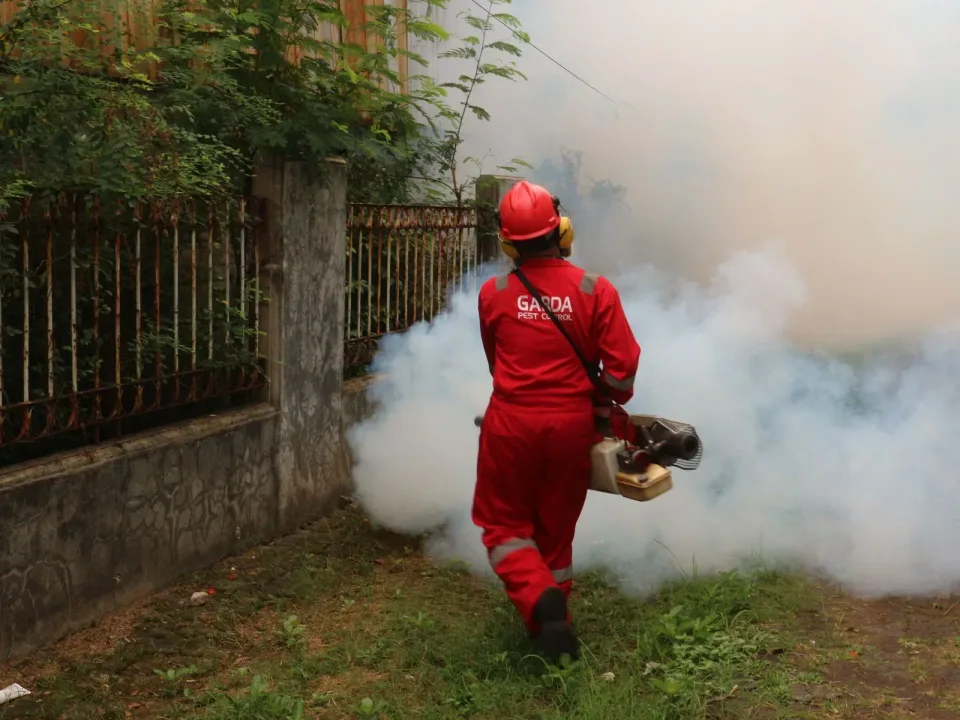
Our crew covers the full range: ant extermination, termite treatment, bed bug treatment, mouse and rat extermination, cockroach treatment, wasp nest removal, and mosquito service across the 46052 and 46075 ZIP codes, from Traders Point to the commercial buildings near the Whitestown Municipal Complex. Four distinct seasons keep pest activity shifting here, so the work that matters in March sealing gaps before spring storms drive rodents toward dry indoor shelter is not the work that matters in August, when humid summers push mosquito breeding and termite swarming. After severe weather, tornado damage can reopen siding and roof entry points we sealed last spring. Call (855) 681-0299 and we will inspect first, explain what we find, and match the treatment to the pest.
Whitestown, IN sits in Boone County, where hot humid summers do two things at once: they accelerate insect development, so an ant colony or roach population grows faster than it would in a cool spring, and they encourage mosquito breeding and termite swarming around yards and foundations. Heavy summer rain adds a third problem runoff that pools around recent subdivision homes and seeps into crawl spaces, drawing moisture-loving pests indoors. Families heading home from Whitestown Memorial Park or the Whitestown Public Library face the same humid conditions in their own backyards.
We schedule around your week, explain findings in plain terms, and follow up when the treatment plan calls for it from Traders Point homes to commercial buildings near the interstate.
Three calls dominate our Whitestown schedule. First, mice in the pantry: winter freezes push mice and rats indoors, and snow cover can conceal rodent activity around foundations until fresh droppings turn up inside pantry cabinets.
Second, wasps and ants after storms: severe thunderstorms can damage the siding and roof entry points on the vinyl and fiber-cement exteriors common in newer subdivisions, opening gaps pests use all season. Third, mosquitoes after rain: variable rainfall changes where standing water sits, so breeding spots shift around the yard week to week, and high humidity supports the mold and moisture-loving pests that follow damp conditions.
Typical jobs we run across 46052 and 46075 include:
Freeze-thaw cycles widen foundation cracks and gaps in the concrete basement foundations common throughout Whitestown, and every widened seam becomes a doorway for mice and ants. Our pest inspection starts at the foundation line and crawl space, where we check crack width, moisture readings, and any wood-to-soil contact, then moves to siding gaps and roof penetrations before we recommend any treatment.
Moisture control matters as much as chemistry. A damp crawl space under a home near Whitestown Town Hall fails the same way one near the Whitestown Municipal Complex does the address changes, the physics does not. We flag downspout discharge, grading, and ventilation issues so the treatment holds instead of washing out with the next rain.
Warm autumns may extend mosquito and tick activity past the first frost, so we keep seasonal treatments running later when the weather does. If you spot cracked mortar or soft soil along your foundation, note it before we arrive.
What does that mean for you? An uncertified neighbor with a store sprayer risks misapplication that can harm pets, wells, or garden plants and leaves you with no recourse if it does.
Why us
Homeowners here want a crew that inspects first, explains the plan, and treats the actual pest.
Every visit starts with a technician inspecting the affected areas and explaining what they found. You hear the recommended treatment and why it fits your pest and property before any work begins.
We started in the South Bend area, where older homes, basements, and shifting seasons push ants, mice, and other pests indoors. That experience shapes how we handle Whitestown homes.
Our technicians hold Indiana pesticide applicator certification, and we are licensed, insured pest control operators and NPMA members. Findings, products used, and follow-up recommendations are documented on every job.
Our process
Each job follows the same clear path from your first call to a finished treatment.
We confirm the target pest before selecting any treatment. You get an honest answer about what is actually in your home, so the plan matches the problem instead of a guess.
A technician inspects the affected areas, checks entry points and harborage spots, and explains the findings in plain language. You see what drew the pests in and where they are living.
Before work begins, the technician outlines the recommended treatment for the pest and the property. You know what will be applied, where, and what preparation your household should handle.
The crew applies the treatment and records findings, products used, and follow-up recommendations. You leave the visit with written notes on what was done and what to watch for next.
Warning signs
Ant trails are a line of workers moving between a food source and the nest, often across counters or along baseboards. Wiping them away only removes the path; the colony keeps sending scouts back until the nest is treated.
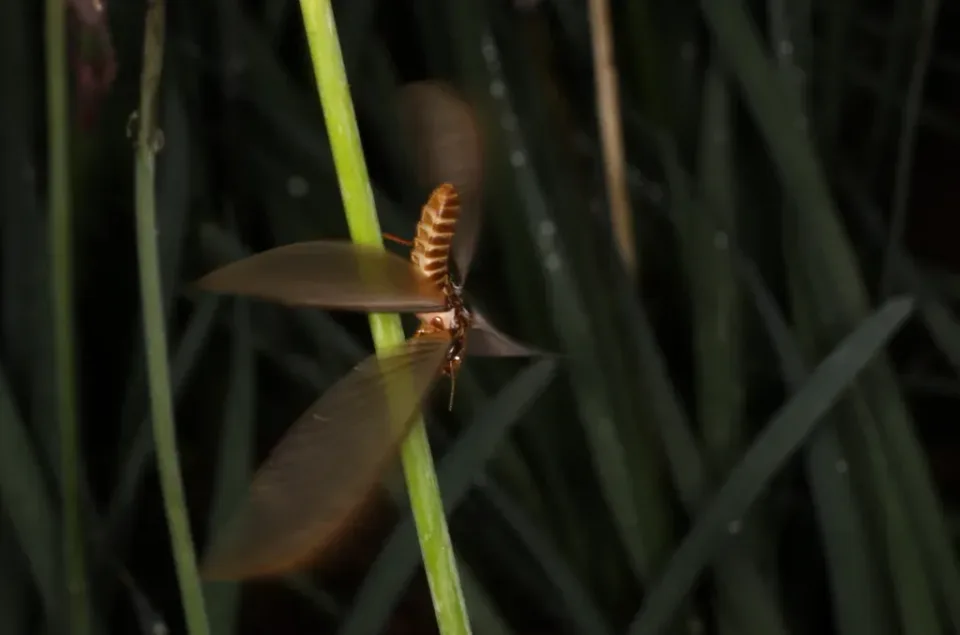
Termite wings are shed by swarmers looking for a new place to colonize, and they often pile up beside window sills. Finding them indoors usually means a colony is active nearby and worth an inspection.
Cockroaches seen near kitchen drains during the day often point to a larger population hiding in wall voids and plumbing gaps. A sighting at night is common; a sighting in daylight is a reason to call.
Rats scratching inside a ceiling or wall cavity are usually traveling between a roof gap and a food source. The noise tends to follow the same route each night, which helps a technician find the entry point.
Through the year
Spring
Severe thunderstorms push ants, spiders, and other pests out of saturated ground and toward drier walls and basements. Booking an inspection as storms arrive catches entry points before colonies settle indoors.
Summer
Warm weather speeds up wasp, ant, and cockroach breeding, and nests grow fast in trees, siding gaps, and kitchens. Mid-year treatments keep populations from building through the peak of the season.
Fall
Cooling nights send mice, rats, and overwintering insects looking for warmth inside walls, attics, and garages. A fall visit seals gaps and reduces activity before pests move in for the cold months.
Winter
Indoor pests like mice and cockroaches stay active in heated basements and wall voids all winter. Treatments during the cold months reach populations that are now living entirely inside the home.
Common situations
A steady trail of ants crossing the kitchen counters every morning, with no clear idea where the colony is coming from.
A technician traces the trail to the entry point, treats the colony, and the counters stay clear.
Before you hire
Pesticide application is regulated work. An Indiana pesticide applicator certification and a licensed, insured operator tell you the person treating your home is qualified to do it.
Some quotes cover one application and others include follow-up visits. Knowing what is included up front keeps the scope of work clear before anyone starts.
Interior work goes better when baseboards, sinks, and utility areas are accessible and food is stored away. Ask what to clear and when children and pets need to stay out of treated areas.
Ask whether you are committing to a single visit or an ongoing plan, how long the agreement runs, and what it takes to change or end it.
Call to talk through your job in Whitestown.
10+
Years serving Whitestown
75
Areas served
Straight answers for customers in Whitestown on pricing, delivery, and scheduling.
Most general pest treatments run $100–$300, bed bug treatment $500–$1,500 depending on rooms and method, termite treatment $600–$2,500, rodent control $150–$500 with exclusion work, and mosquito treatment $75–$200 per visit. Final quotes vary by pest, infestation extent, property conditions, and treatment scope.
Yes. We cover all of Whitestown, including Traders Point homes and the logistics and warehouse properties along the I-65 corridor, in both the 46052 and 46075 ZIP codes.
Termite swarmers commonly appear during spring, and Whitestown’s humid summers push swarming and colony activity harder afterward. If you find discarded wings beside window sills, schedule an inspection before the colony spreads into structural wood.
Empty bedroom drawers, secure pets before the technician arrives, and follow the product-label re-entry instructions we leave with you. Bed bug eggs hatch in roughly 6–10 days, so follow-up inspections are part of every plan we build.
Mice enter through gaps of about 1/4 inch and rats through about 1/2 inch narrower than most homeowners expect. Freeze-thaw widening around concrete foundations makes those openings grow, which is why our rodent plans always include exclusion work.
Pest Control covers every ZIP code in Whitestown, IN.
Indiana Pest Pros
"Practical Pest Control Across Indiana"
I started in pest control in the South Bend area, where older homes, basements, and changing seasons can bring ants, mice, and other pests indoors. I built this company to give Indiana homeowners clear inspections and treatment plans suited to the pest and the property.
Share job details below or call our team directly. Phone: (855) 681-0299
Pest Control is also available in these nearby communities.